Skip to content

Unstoppable Women at Work

International Women's Day with Peppy. When employers give meaningful women’s health support, they gain retention, leadership strength and performance.

unstoppable-women-in-work-banner-v2

The Employment Rights Act 2025: 6 actions HR & Benefits leaders must take in 2026

Practical guidance for preparing your organisation for the Employment Rights Act and reducing risk as expectations rise.

landing page image-4

The menopause toolkit for HR

Prevent legal risk, stop silent attrition, and make your workplace menopause inclusive – before regulators, resignations, or Glassdoor reviews make the decision for you.

landing page image-3

Men’s health at work: the cost of late intervention

Men are more likely to delay seeking help for physical and mental health issues, influenced by personal behaviours and society.

Screenshot 2025-10-22 at 16.03.29

Neuroinclusion, neurodiversity and neurodivergent: what do they mean?

Neuroinclusion is the practice of designing workplaces, policies and everyday management so that neurodivergent people, including those with autism, ADHD, dyslexia, dyspraxia and Tourette's, can do their best work without needing to ask for individual exceptions.

Neuroinclusion, neurodiversity and neurodivergent: what's the difference?

These three terms get used interchangeably, but they mean different things.

Neurodiversity

is the broad idea that human brains and behaviour naturally vary, and that differences like autism, ADHD, dyslexia and dyspraxia are natural variations rather than deficits to be fixed.

Neurodivergent

describes an individual whose brain works in one of these ways. Someone who is neurodivergent may or may not choose to disclose this at work.

Neuroinclusion

is what an organisation does in response. It's the policies, environment and everyday practice that make a workplace work for neurodivergent people, rather than just acknowledging that they exist.

In short: 

neurodiversity is the fact, neurodivergent describes the person, and neuroinclusion is the employer's action.

Why employers are paying attention to this now

Neurodivergent employees are already part of every workforce, whether or not they've disclosed it. Neuroinclusion has moved from an HR side project to a board-level DEI and retention priority, as more employers move from responding to individual requests to building support in from the start.

Peppy-iStock-1352890226

Neuroinclusion support from Peppy

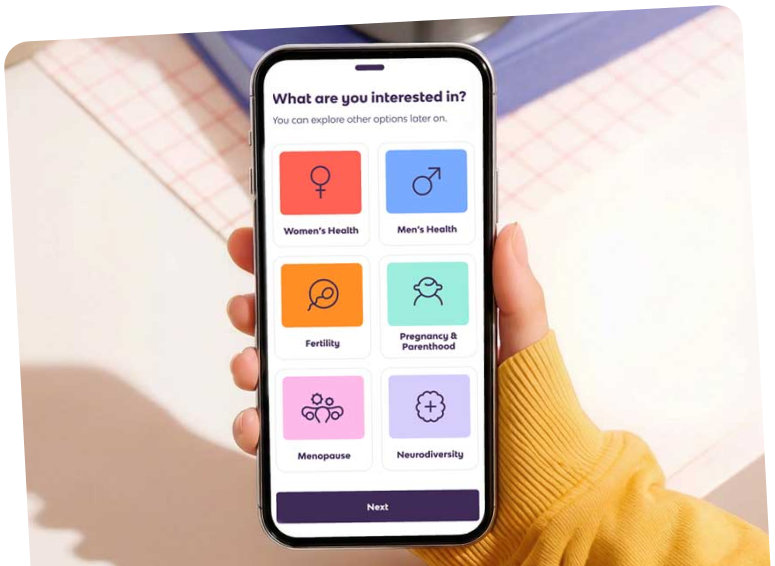
Peppy's neurodiversity service gives employees direct access to specialists, alongside guidance for managers and HR teams. For the full picture, including the business case for employers and what good support looks like in practice, see our complete guide.

Frequently asked questions
What is neuroinclusion? Neuroinclusion is the practice of designing workplaces, policies and management approaches so that neurodivergent people can do their best work without needing to ask for individual exceptions.
What's the difference between neurodiversity and neuroinclusion? Neurodiversity describes the natural variation in how people's brains and behaviour work, including conditions like autism, ADHD, dyslexia and dyspraxia. Neuroinclusion describes what an organisation does about it: the policies, training and support that make a workplace work for neurodivergent people.
Is neuroinclusion the same as being neurodivergent? No. Neurodivergent describes an individual. Neuroinclusion describes the organisational practice of supporting neurodivergent people well. A person is neurodivergent; a workplace is neuroinclusive.
Is neuroinclusion a legal requirement for UK employers? Some neurodivergent conditions can count as a disability under the Equality Act 2010, which brings a duty to make reasonable adjustments. See our full guide to neuroinclusion in the workplace [link: pillar page] for more detail, and confirm specific obligations with legal counsel.
phone_6x

See how Peppy fits alongside your existing employee health benefits