Employment Rights Act: Resource hub for HR and benefits leaders
Your single source for what the Employment Rights Act means for employee health and benefits, and how to prepare with confidence.
What does the Employment Rights Act mean for employee health and benefits?
For HR and benefits leaders, the Employment Rights Act raises the floor on what adequate employee health support looks like. Employers can no longer rely on a generic policy or an underused employee assistance programme to show they support staff through menopause, fertility, pregnancy, men's health, women's health and neurodiversity. The Act expects proactive, evidence based support and the ability to show engagement and outcomes data if challenged.
The cost of getting this wrong is measurable. Period pain alone causes absence for 23% of women over a six month period, one in four women consider leaving work due to menopause symptoms, and 17% of women leave employment within five years of childbirth. Specialist, clinician led support closes this gap in a way a standard EAP cannot, and gives employers the audit trail the Act increasingly expects.
How does Peppy help you prepare for the Employment Rights Act?
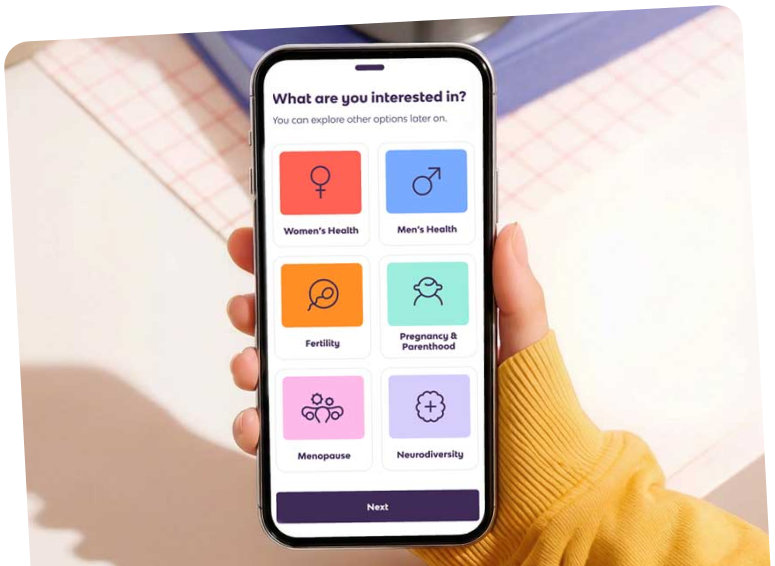
Peppy gives every employee unlimited, confidential access to specialist clinicians across menopause, fertility, pregnancy and parenthood, women's health, men's health and neurodiversity, through a single app. That means one consistent standard of support regardless of role, location or line manager, which is one of the areas of greatest legal exposure for large, multi-site employers under the Act. Peppy also provides anonymised engagement and outcomes reporting, including a 58% reduction in severe menopause symptoms within 180 days and a 15% reduction in menopause related work impairment within 90 days, so HR and benefits teams have the evidence base to show their support is real, not just written down.
What should HR and benefits leaders do to prepare for 2026/27?
Watch and read our on-demand resources below to understand exactly what the Employment Rights Act requires and how to get your organisation ready. From building a compliant menopause action plan to the practical steps to take in 2026 and beyond.
Employment Rights Act: Mind the support gap in your benefits strategy
30 July 2026
12 PM BST
How HR and Benefits leaders can build proactive, specialist support for the new era of employee rights
Resources
THE EMPLOYMENT RIGHTS ACT ACTION PLAN: A 10-point readiness check for HR and Benefits Leaders
This checklist gives you 10 points to score yourself against - split between what you're already accountable for today, and what's landing in late 2026 and 2027 that's worth preparing for now.
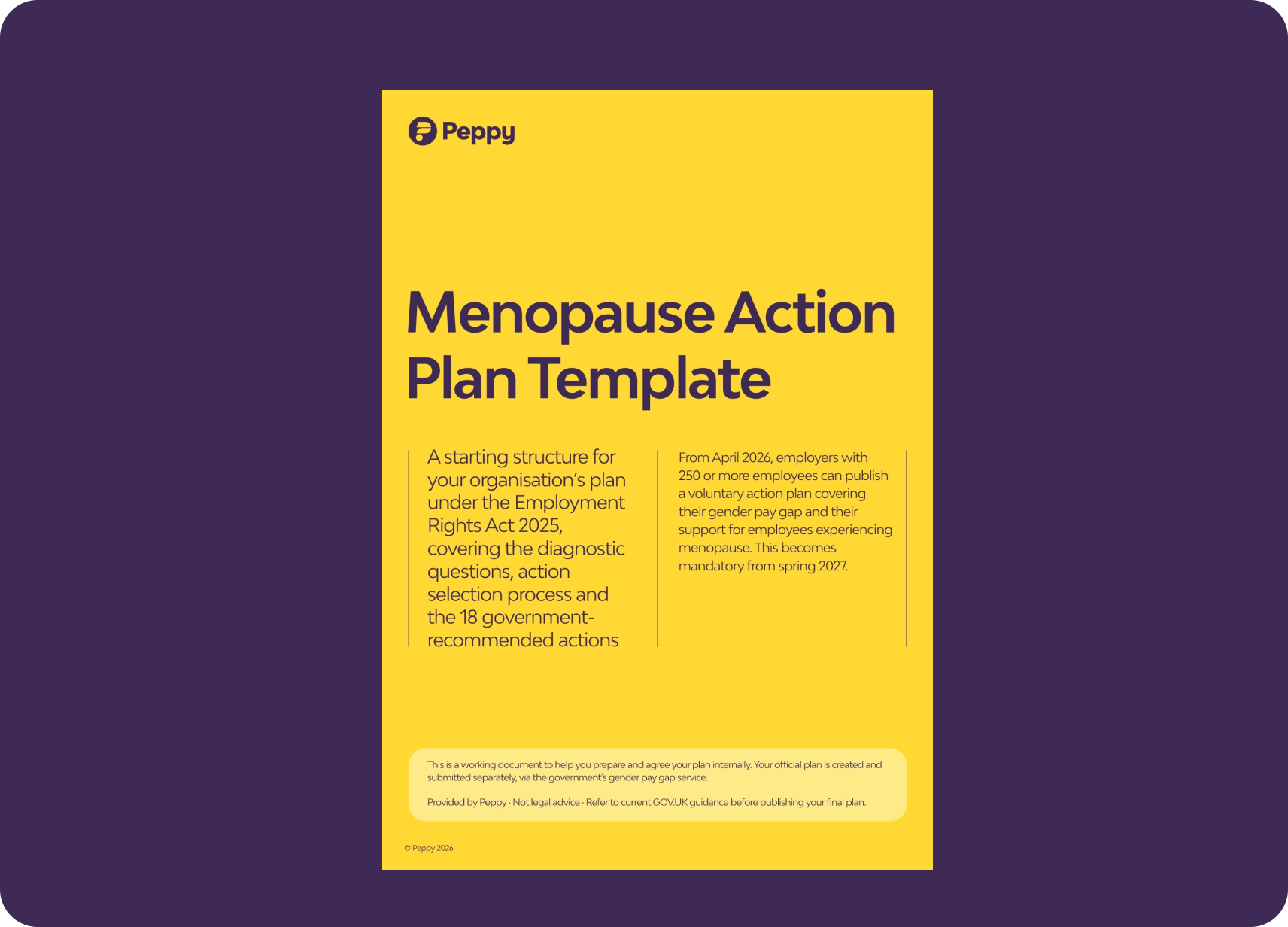
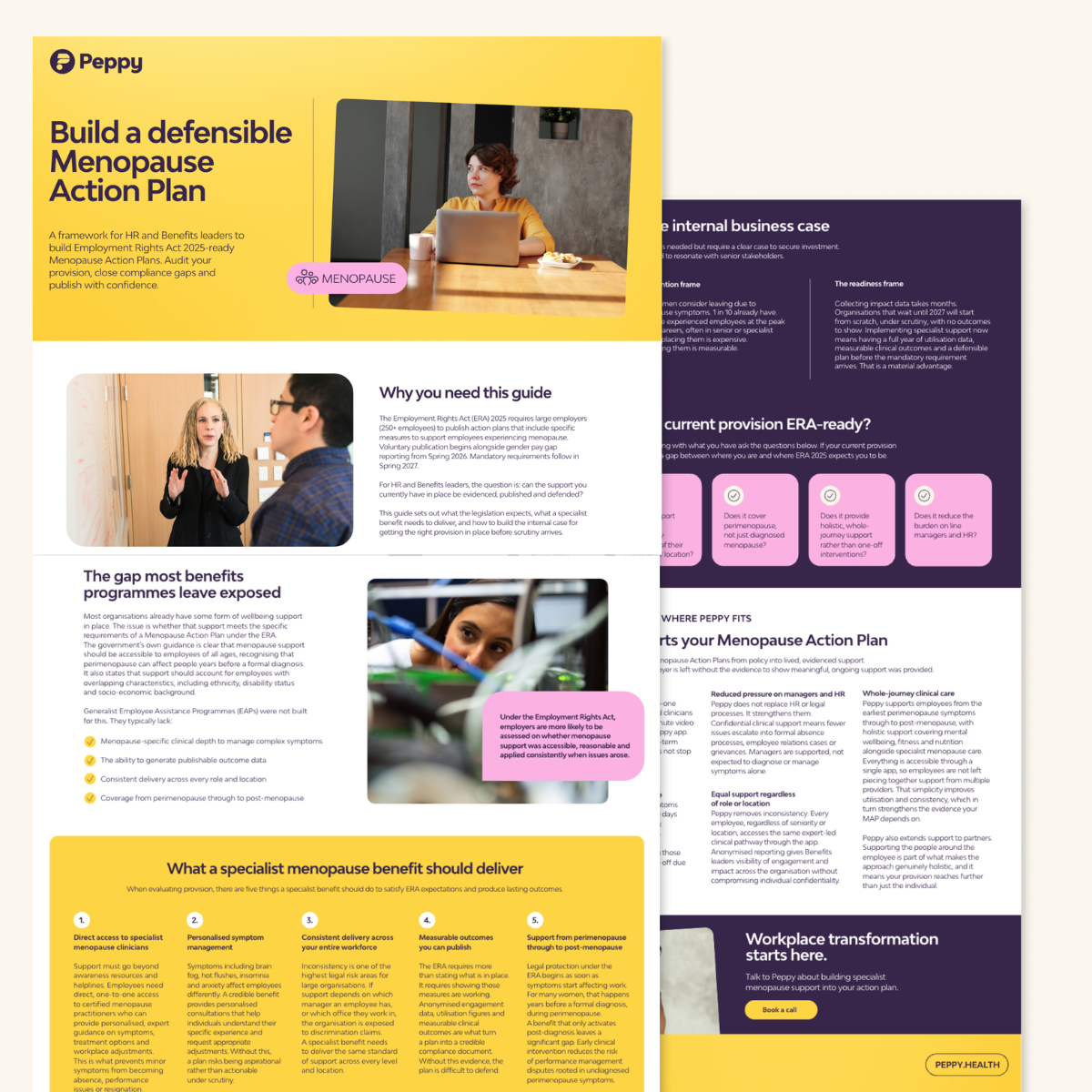
Build Your Menopause Action Plan: A step-by-step framework for Benefits Leaders
A step-by-step framework covering what to include, how to audit your provision, close compliance gaps, and publish an Employment Rights Act 2025-ready menopause action plan that holds up to scrutiny.
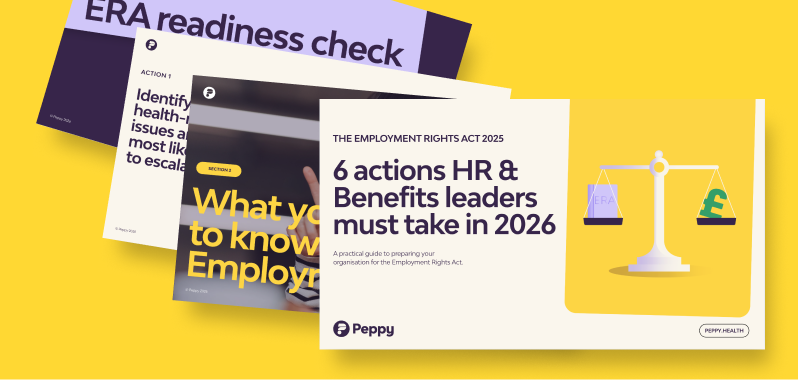
The Employment Rights Act 2025: 6 actions HR & Benefits leaders must take in 2026
Six practical actions HR and benefits leaders should take in 2026 to prepare for the Employment Rights Act 2025 and reduce legal, financial and reputational risk as employer obligations rise.
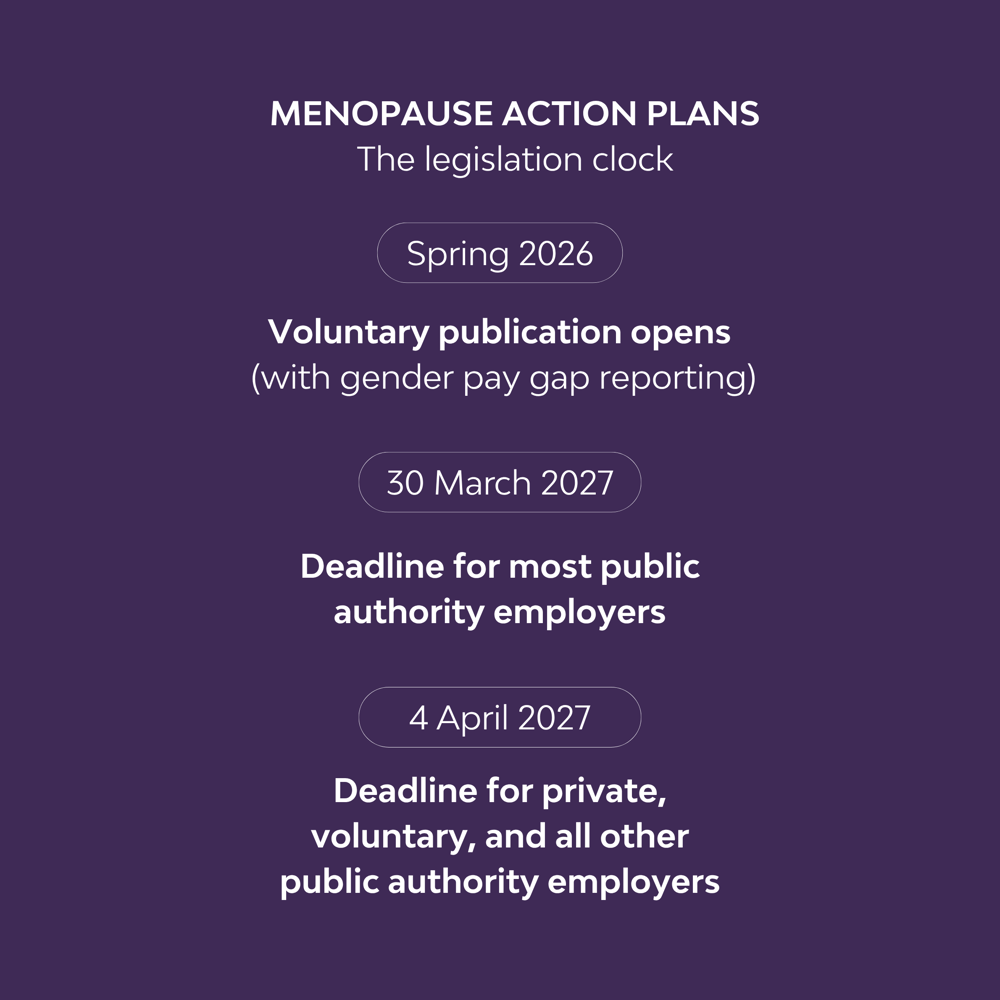
Menopause Action Plans explained: what they are, why they're now required, and where to start
New to Menopause Action Plans? This guide explains what they actually are, what the Employment Rights Act 2025 requires of employers, and why acting now protects your people and your business.
On-Demand webinars
The Employment Rights Act 2025: How employers should prepare in 2026
Practical guidance for HR and benefits leaders on how to prepare confidently for rising expectations.

-1.png?width=600&height=450&name=Untitled%20design%20(8)-1.png)